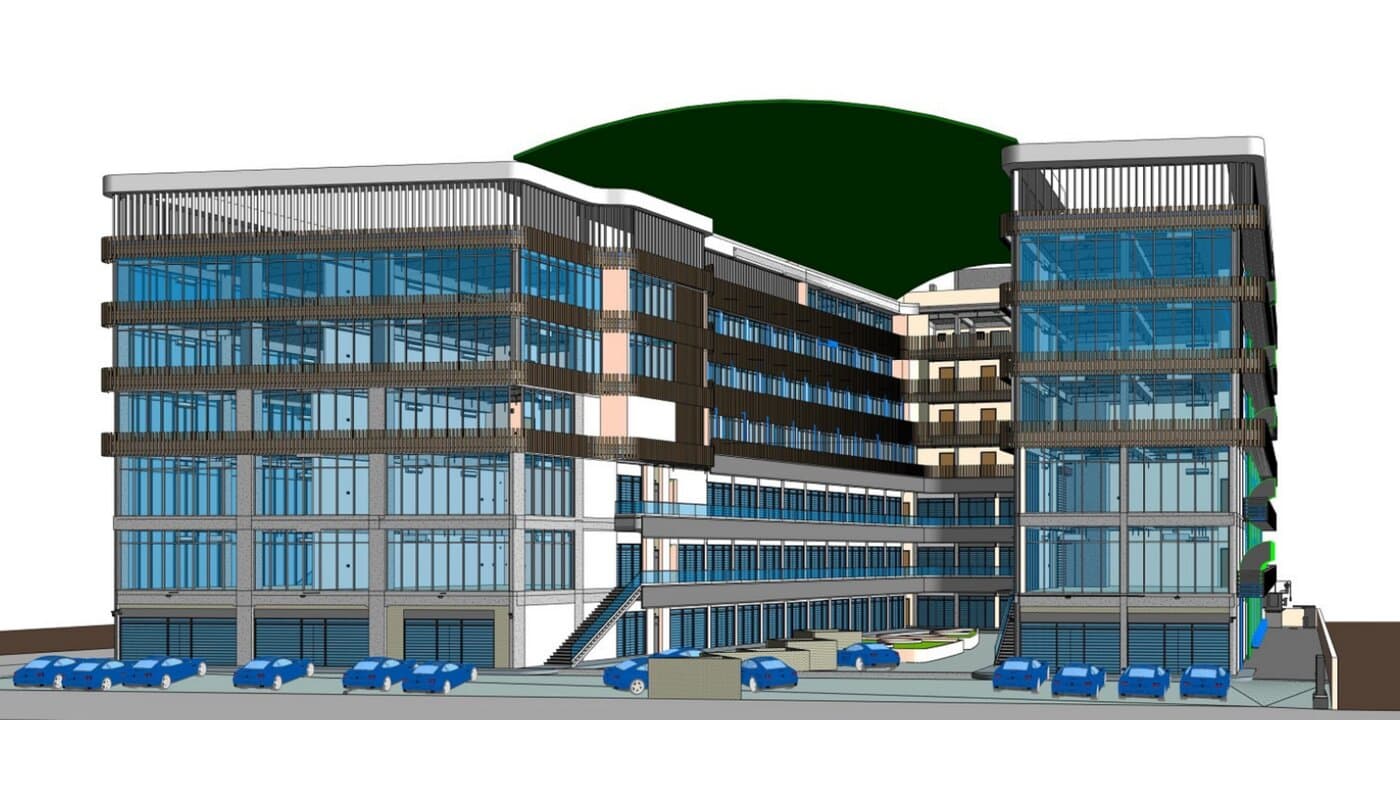
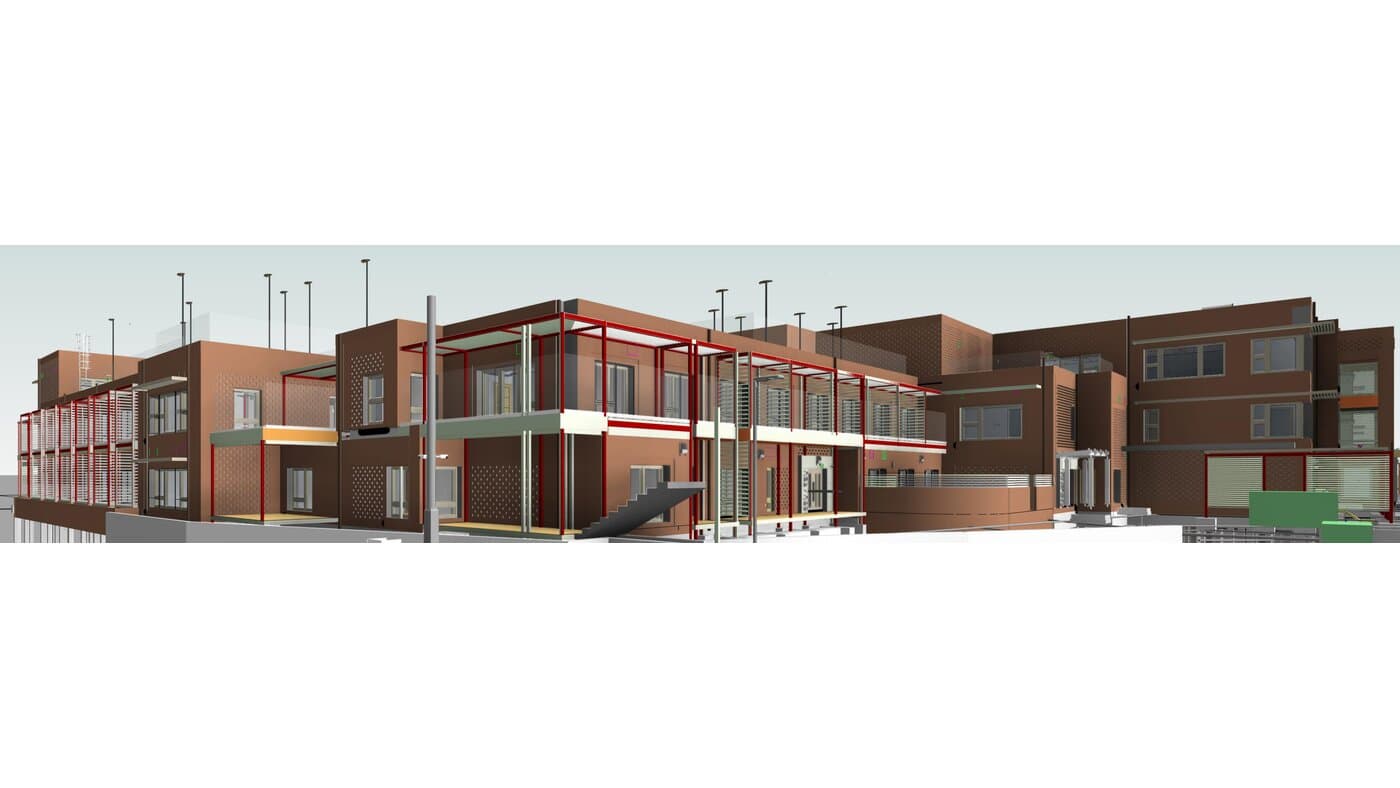
Tier-rated coordination, where a single clash is a resilience risk.
Mission-critical facilities don't forgive coordination gaps the way most buildings do. Tier III and IV redundancy requirements leave almost no spatial slack — every reroute has to preserve N+1 resilience paths across power, cooling, fire suppression, structured cabling, and security simultaneously. We federate every discipline into a single model against the architectural and structural baseline before any routing begins.
Weekly clash-detection cycles, triaged and closed before the next design freeze rather than batched for later, keep the coordination environment trustworthy enough that mechanical and electrical contractors can build directly from it — the single biggest lever we've found for cutting RFI volume on a data centre build.
0%
RFI reduction achieved against portfolio average
2,400+
Clashes resolved pre-construction on a single facility
0%
Tier III N+1 compliance maintained through coordination
Every
Operators & Hyperscale Owners
Serving data centre operators and hyperscale facility owners.
Design & MEP Engineering Teams
Serving mechanical, electrical, and fire engineering consultants.
Facilities & Operations Teams
Serving critical-facility FM and operations teams.
01
Operators & Hyperscale Owners
Serving data centre operators and hyperscale facility owners.
02
Design & MEP Engineering Teams
Serving mechanical, electrical, and fire engineering consultants.
03
Facilities & Operations Teams
Serving critical-facility FM and operations teams.
The constraints we design around.
Five Disciplines, One Model
Power, cooling, fire suppression, structured cabling, and security all have to resolve inside a single federated model without any discipline compromising another's routing.
Zero Redundancy Slack
Tier III/IV requirements leave almost no spatial margin — every reroute has to preserve N+1 resilience paths across the entire facility.
Clash Cadence Under Pressure
Weekly clash cycles against a live structural model mean issues must be triaged and closed before the next design freeze, not left to accumulate.
RFI Volume as a Schedule Risk
Contractors need a model clean enough to build from directly — coordination gaps translate straight into RFIs that can threaten the construction schedule.
One discipline, applied consistently.
Federate & Baseline
All five MEP disciplines are brought into one federated model against the architectural and structural baseline.
Federate & Baseline
All five MEP disciplines are brought into one federated model against the architectural and structural baseline.
Coordinate Weekly
Structured clash-detection cycles run every week, assigned directly to discipline leads.
Resolve at Source
Clashes are closed by adjusting routing at the modelling stage, preserving N+1 resilience throughout.
Hand Off Construction-Ready
Discipline-specific issue sheets are issued directly to site, coordinated against the structural model.
0%
RFI reduction achieved against portfolio average
2,400+
Clashes resolved pre-construction on a single facility
Weekly
Clash cycle cadence against the live structural model
0%
Tier III N+1 compliance maintained
What sets this apart.
The coordination model has to become the one document every contractor trusts on site — anything less, and Tier III confidence starts to erode before construction even begins.
Talk to usRedundancy-aware routing
Every reroute decision is checked against N+1 resilience paths before it's accepted into the model, not after.
Weekly triage discipline
Clash cycles run every week against the live structural model, with issues assigned directly to discipline leads.
Build-direct-from-model confidence
Coordination is resolved to a standard where contractors build directly from the federated model, cutting RFI volume significantly.
ISO 19650-aligned BEP
Every mission-critical engagement runs against a project-specific BEP structured for the facility's exact information requirements.
“Neutec's coordination model became the one document every contractor trusted on site. We went into construction with confidence we hadn't had on a data centre project before.”
Facilities Director
Data Centre Operator