
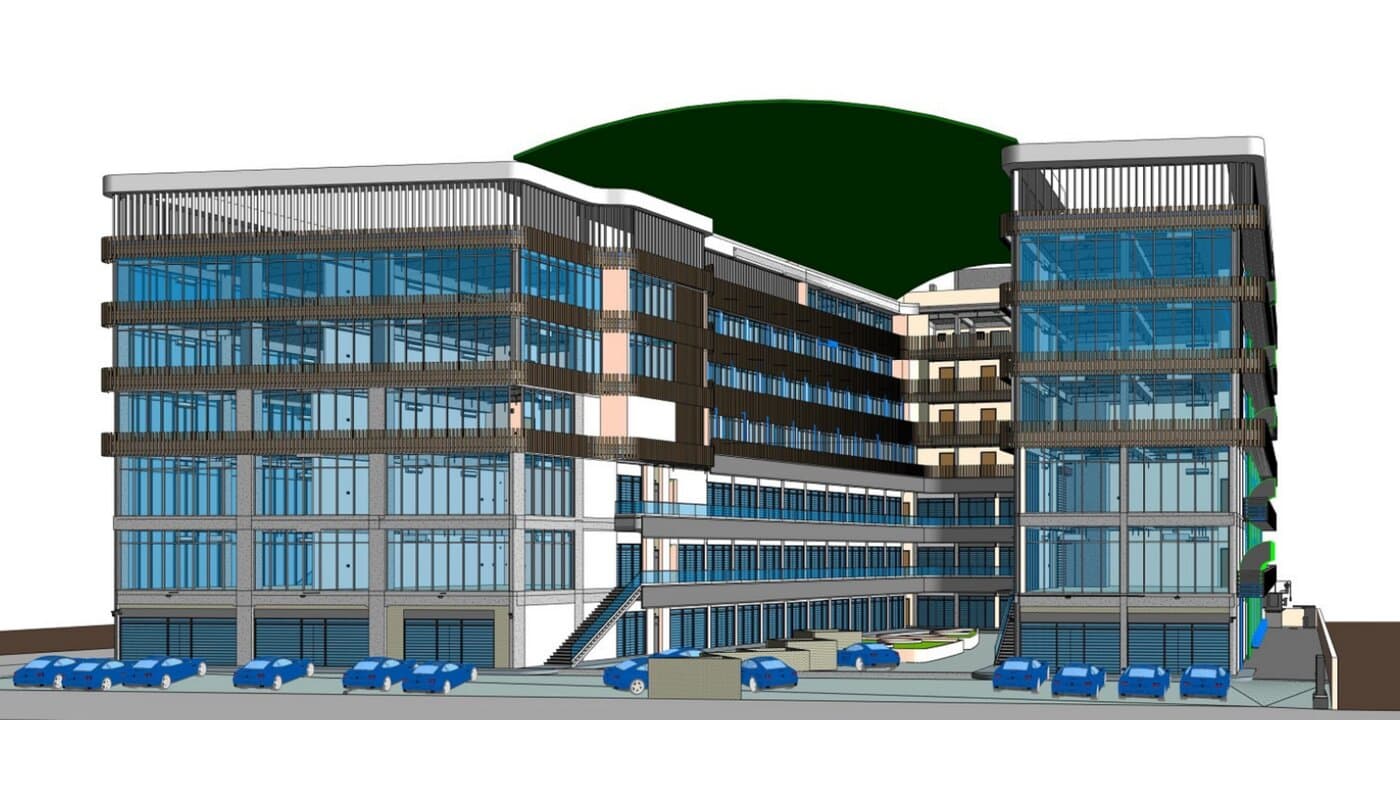
MEP & Building Engineering
Engineer Building Systems for Performance, Safety & Efficient Delivery.
Effective building engineering starts with systems that work together, not individual disciplines designed in isolation. We develop coordinated MEP solutions that consider building use, technical requirements, spatial constraints, energy performance, safety and constructability from the outset.
We begin by understanding the building type, project requirements, performance targets, applicable codes, existing design information and coordination constraints. We then develop and coordinate the appropriate mechanical, electrical, plumbing and specialist building systems around the project requirements.
Our capabilities can include MEP design, fire protection and life safety engineering, energy analysis, efficiency improvements and retrofit design for existing buildings.
The result is a coordinated building services solution that supports reliable operation, safer buildings, efficient energy use and smoother construction, while considering the practical requirements of the building throughout its lifecycle.
MEP Design
Coordinated mechanical, electrical and plumbing systems for building performance and delivery.
Fire Protection & Life Safety
Engineering systems that support occupant safety, fire protection and regulatory requirements.
Energy & Efficiency
Identify opportunities to improve building energy performance and reduce operational demand.
Building Systems Coordination
Coordinate building services with architectural, structural and spatial requirements.
Mechanical, Electrical & Plumbing Design
Fire Protection & Life Safety Engineering
Energy Engineering & Efficiency Retrofitting
From Building Systems Design to Better Operational Performance.
We design and coordinate MEP systems around building requirements, safety, energy performance and constructability to create efficient and reliable building engineering solutions.
Mechanical Engineering
- HVAC system design
- Heating and cooling systems
- Equipment selection and layouts
- Air distribution and ventilation
- Mechanical services coordination
Electrical Engineering
- Electrical system design
- Power distribution
- Lighting systems
- Equipment and load coordination
- Electrical documentation
Plumbing & Fire Protection
- Domestic water systems
- Drainage and sanitary systems
- Fire protection design
- Life safety systems
- Plumbing and fire protection coordination
Energy & Building Performance
- Energy performance assessment
- HVAC efficiency analysis
- Building energy optimisation
- Retrofit opportunity assessment
- Energy improvement strategies
What this covers
Coordinated Systems
Align MEP services with architectural, structural and spatial requirements.
Safer Buildings
Integrate fire protection and life safety requirements into the building engineering process.
Better Energy Performance
Identify practical opportunities to reduce energy demand and improve system efficiency.
The Value of Better-Connected Building Systems.
Better System Coordination
Coordinate mechanical, electrical and plumbing systems with the building structure and architecture to reduce spatial conflicts and late design changes.
Improved Building Performance
Design systems around occupancy, building use, environmental conditions and operational requirements rather than treating MEP as isolated technical packages.
Stronger Fire & Life Safety
Integrate fire protection and life safety requirements early so critical systems are considered alongside the wider building design.
Greater Energy Efficiency
Evaluate HVAC, electrical and building systems for opportunities to reduce energy consumption while maintaining required comfort and operational performance.
Fewer Construction-Stage Changes
Resolve system layouts, equipment requirements and service coordination earlier, reducing avoidable redesign and installation issues during construction.
Better Retrofit Decisions
For existing buildings, assess current systems and identify practical upgrades that can improve efficiency, capacity, reliability and long-term operating performance.
Where Advanced Engineering Creates the Most Value.
Commercial Offices & High-Rise Buildings
Complex vertical developments where HVAC distribution, electrical infrastructure, plumbing, fire protection and limited service zones must work together without compromising usable space.
Healthcare & Life Sciences
Highly regulated environments where HVAC performance, specialist services, infection-control requirements, electrical resilience and life safety are critical to building operation.
Data Centres & Mission-Critical Facilities
Facilities where cooling capacity, power distribution, redundancy, environmental control and system reliability directly affect operational continuity.
Industrial & Manufacturing Facilities
Buildings with process equipment, specialised ventilation, compressed air, utilities and high electrical loads where building services must respond to operational requirements.
Hospitality, Retail & Mixed-Use
Buildings with changing occupancy patterns and diverse service requirements where energy efficiency, occupant comfort, fire safety and operational flexibility are important.
Existing Buildings & Energy Retrofits
Occupied or ageing facilities where HVAC, electrical and plumbing systems need assessment, replacement or optimisation without unnecessarily disrupting ongoing operations.
MEP & Building Engineering FAQs.
Related capabilities.
Product & Manufacturing Engineering
Develop Products That Are Ready for Real-World Manufacturing.
Read moreIndustrial & Process Engineering
Connect Process Requirements With Buildable Plant Design.
Read moreStructural & Architectural Engineering
Turn Design Intent Into Buildable Engineering Documentation.
Read moreAudited
Every engagement is delivered against certified management systems — not just claimed adherence.

Information Management
BIM delivery

Quality Management
Process & delivery

Information Security
Data handling

Environmental
Sustainability