
Built
Create coordinated, maintainable project information for campuses, public buildings and complex institutional environments.
Design for Today. Plan for Tomorrow.
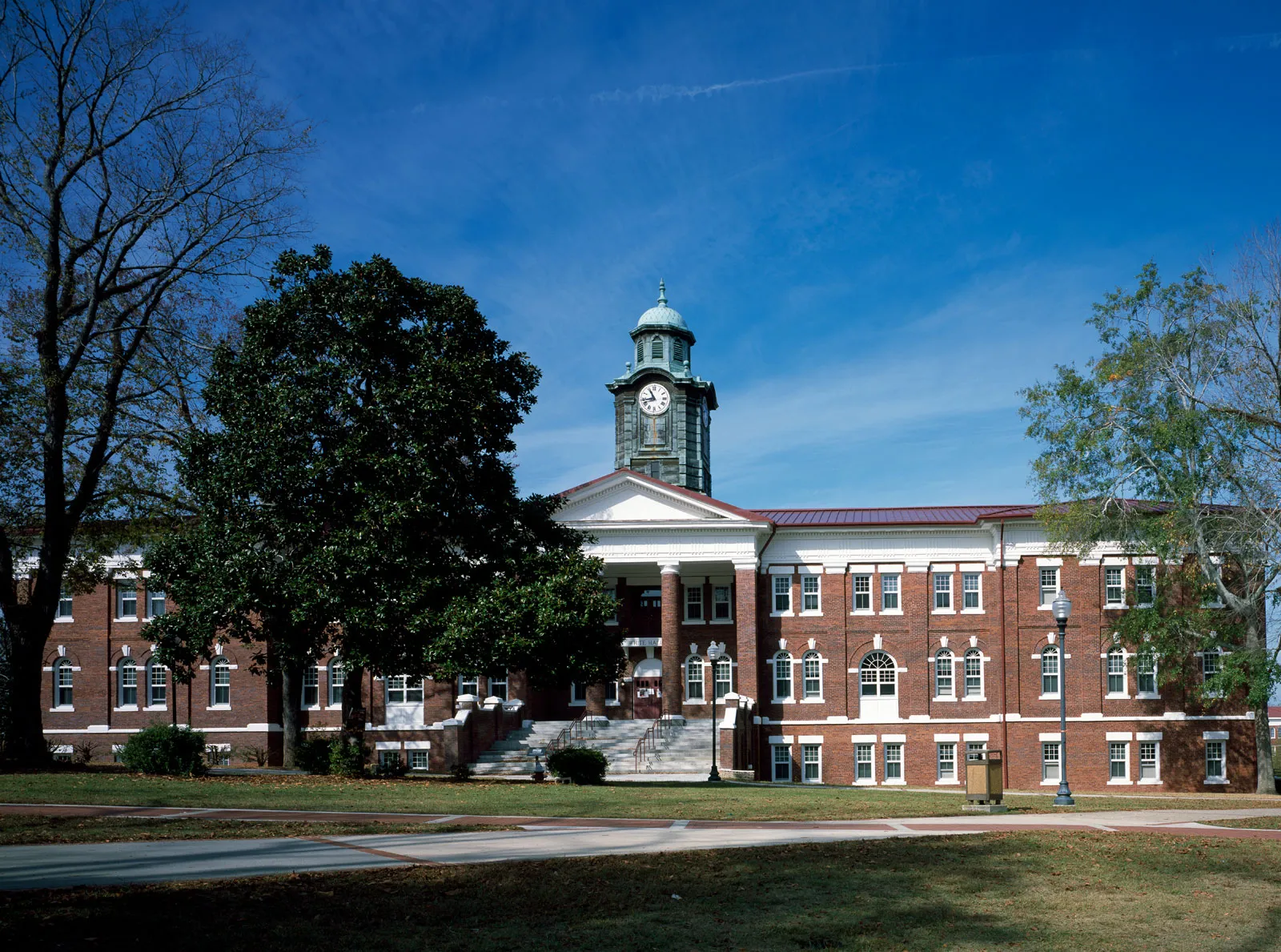
Education and institutional projects need to serve people for decades, often while buildings remain occupied or campus operations continue around construction. Classrooms, laboratories, libraries, administration areas, specialist teaching spaces and shared facilities each bring different technical and operational requirements.
We help owners, consultants and contractors coordinate these requirements through BIM, engineering design and structured project information. From a new university building to a multi-phase campus redevelopment, our approach connects architectural intent with building services, structural systems, technical requirements and construction needs.
Campus Coordination
Manage buildings, infrastructure and interconnected systems across larger institutional estates.
Building Performance
Coordinate MEP, architectural and structural requirements around comfort, efficiency and operational needs.
Long-Term Information
Develop structured project information that supports handover, facilities management and future refurbishment.
Every
Education & Institutional Owners
Focused on long-term asset performance, capital planning, campus development and reliable information for facilities teams.
Architects & Engineering Consultants
Supporting multidisciplinary teams developing learning environments, research facilities and technically demanding institutional buildings.
Main Contractors & Specialist Contractors
Helping construction teams manage complex interfaces, phased works and installation requirements across institutional projects.
01
Education & Institutional Owners
Focused on long-term asset performance, capital planning, campus development and reliable information for facilities teams.
02
Architects & Engineering Consultants
Supporting multidisciplinary teams developing learning environments, research facilities and technically demanding institutional buildings.
03
Main Contractors & Specialist Contractors
Helping construction teams manage complex interfaces, phased works and installation requirements across institutional projects.
The
Every sector brings its own pressure points. These are the ones that shape how we approach every engagement in this space.
Construction Around Daily Life
Schools, universities and public facilities may need to remain operational during construction or refurbishment. Access, segregation, safety and temporary arrangements must be considered alongside the permanent design.
Learning Environments Keep Changing
Classrooms, laboratories, research spaces and teaching facilities can change function over time. Building systems and layouts need enough flexibility to support future adaptation rather than being designed only for today's requirements.
One Building Is Rarely the Whole Project
University and institutional developments often connect new buildings with existing facilities, utilities, pedestrian routes and shared infrastructure. These interfaces require coordination beyond the individual building model.
Handover Is the Beginning, Not the End
Institutional buildings are expected to operate for many years. Reliable asset information, maintainable systems and structured handover data can make future maintenance, refurbishment and capital planning considerably more manageable.
One Coordinated Process, From Design to Handover.
Understand the Institution
Review project objectives, building functions, campus conditions, existing information and operational requirements before establishing the delivery approach.
Understand the Institution
Review project objectives, building functions, campus conditions, existing information and operational requirements before establishing the delivery approach.
Coordinate the Building Environment
Develop coordinated architectural, structural, MEP and specialist information around the specific needs of learning, research, administration and public spaces.
Manage Change Through Delivery
Coordinate design development, refurbishment interfaces and construction phases while keeping information aligned with the active programme.
Prepare for Long-Term Use
Validate project information and structure handover deliverables to support facilities management, maintenance and future modifications.
Campus-Wide
Information coordinated across buildings, shared infrastructure and project interfaces.
Phased
Delivery structured around active facilities, construction stages and campus requirements.
Lifecycle
Project information developed with future maintenance and refurbishment in mind.
Future-Ready
Building systems and information structured to support changing institutional requirements.
What sets this apart.
We connect BIM, engineering and information management to help education and institutional teams deliver buildings that work effectively today and remain manageable as requirements change.
Talk to usOperationally Considered
We account for occupied buildings, access, safety, campus operations and existing infrastructure when developing delivery and coordination workflows.
Designed for Adaptability
We recognise that classrooms, laboratories and institutional spaces evolve, so coordination considers future flexibility alongside immediate project requirements.
Campus-Level Thinking
Our approach can extend beyond a single building to consider shared utilities, infrastructure, neighbouring facilities and wider campus interfaces.
Information That Supports the Asset
Structured project information can continue to provide value after construction by supporting facilities management, maintenance, refurbishment and future capital projects.
We're building out our published case-study library for education & institutional — browse the full project portfolio to see the same coordination standard applied across sectors.
View all projectsQuestions
Explore
Commercial & Office
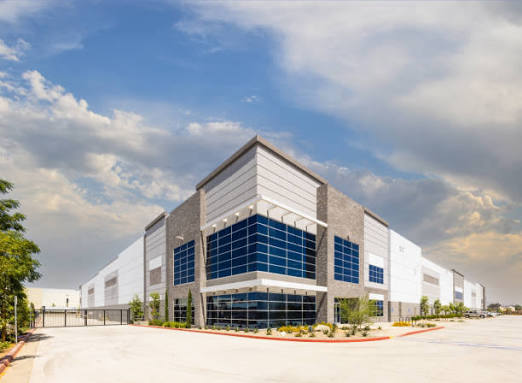
Coordinate design, construction and building information around demanding commercial programmes, from early design through fit-out, handover and operations.

Healthcare & Life Sciences
Coordinate complex clinical, laboratory and building systems where precision, compliance and continuity matter.
Data Centres & Mission-Critical
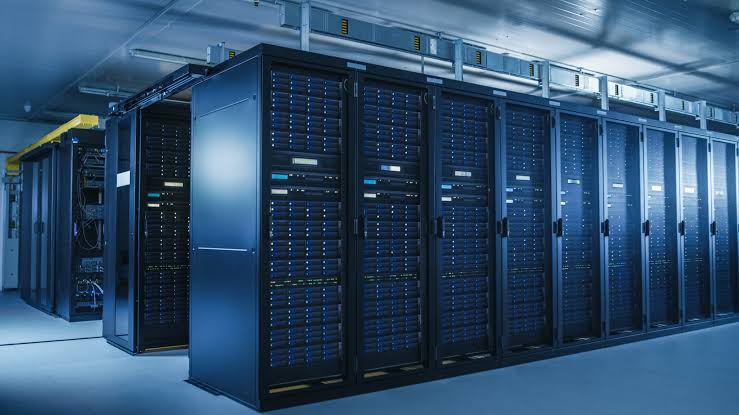
Coordinate high-density systems and critical infrastructure where every interface, clearance and sequence matters.
Audited
Every engagement is delivered against certified management systems — not just claimed adherence.

Information Management
BIM delivery

Quality Management
Process & delivery

Information Security
Data handling
Environmental
Sustainability